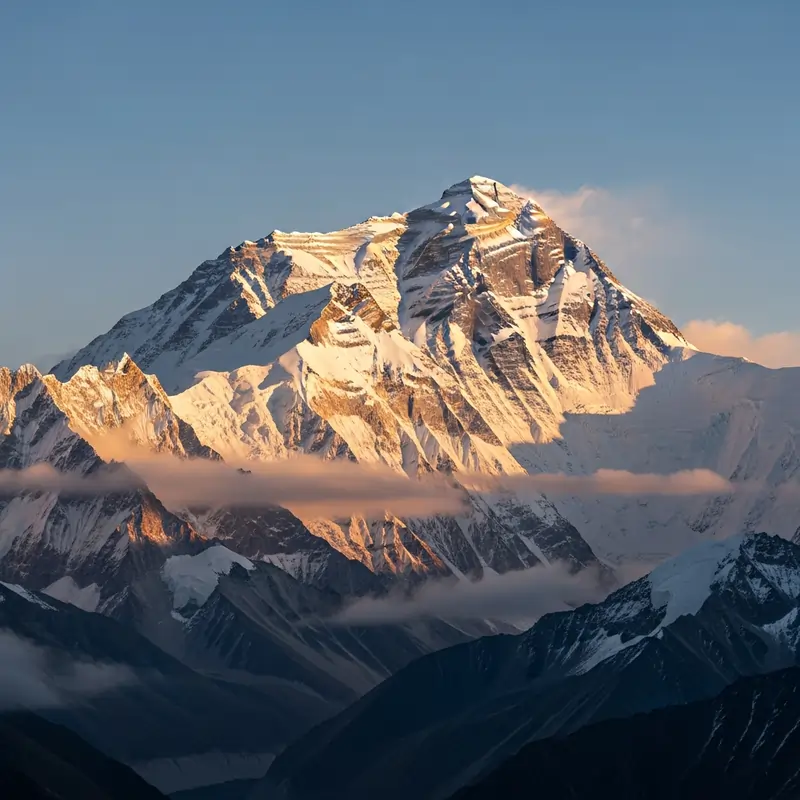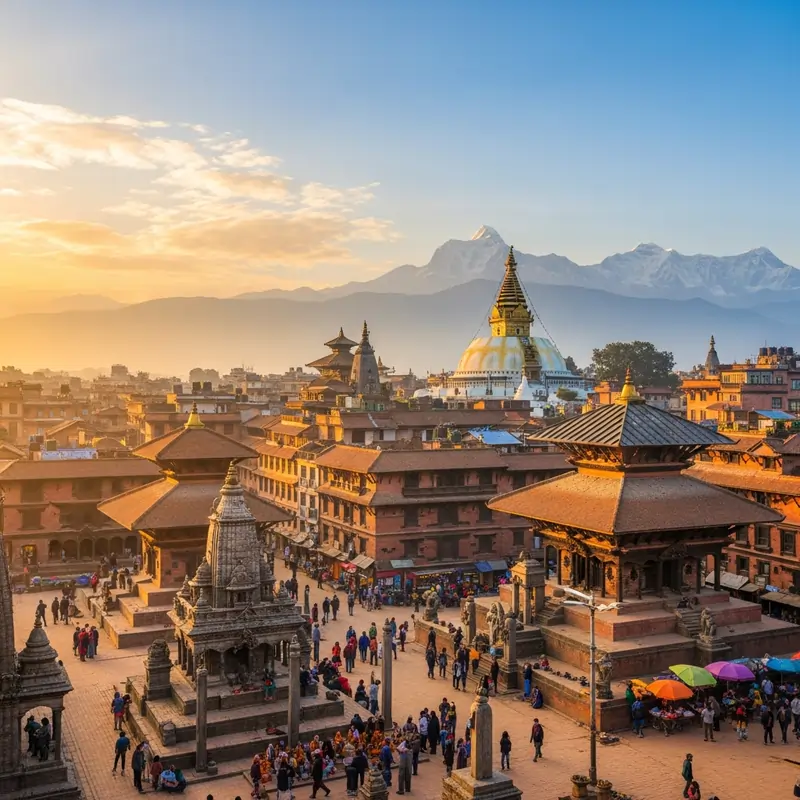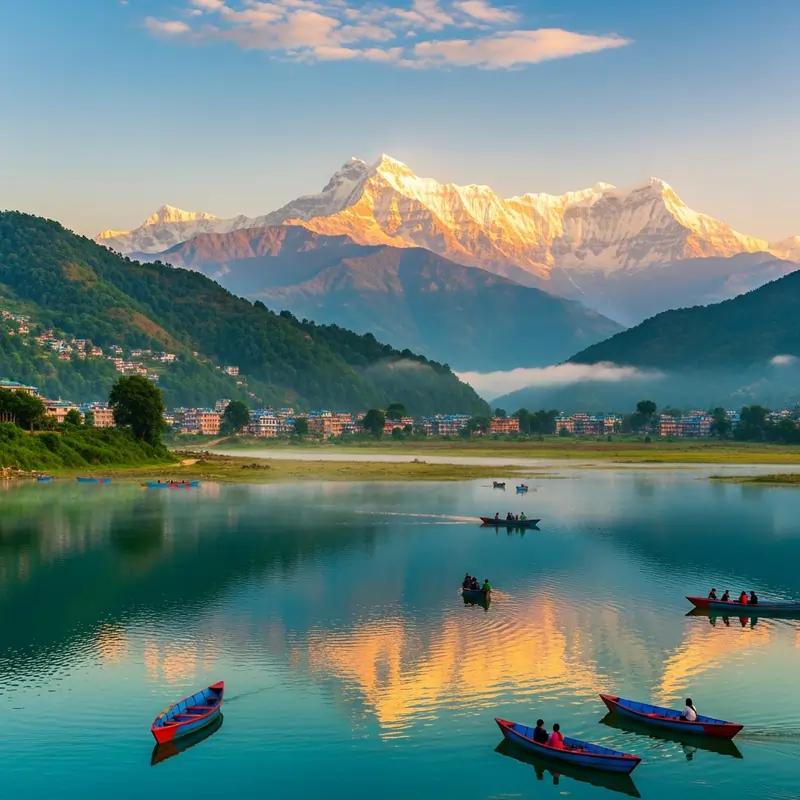
There's something deeply transformative about practicing yoga with the Himalayas on the horizon. Nepal, the birthplace of Buddha and home to ancient Tibetan Buddhist traditions, offers a spiritual environment unlike anywhere else on Earth for wellness retreats and meditation practice.
From luxury Ayurvedic centers to authentic ashrams, Nepal has options for every seeker — whether you're a complete beginner or a dedicated practitioner looking to deepen your practice.
Why Nepal for Wellness?
- Spiritual heritage: Birthplace of Buddha, centuries of yoga and meditation tradition
- Natural environment: Mountain air, pristine nature, powerful energy
- Authentic traditions: Access to genuine Tibetan Buddhist and Hindu practices
- Affordability: World-class retreats at a fraction of Western prices
- Qualified teachers: Both local masters and international instructors
- Combine adventure: Trek, practice, explore — all in one trip
Types of Wellness Retreats
Yoga Retreats
From drop-in classes to month-long teacher training programs, Nepal offers incredible yoga experiences. Most retreats include daily asana practice, pranayama (breathing), and basic meditation, often combined with Ayurvedic meals and nature activities.
Meditation Retreats
Nepal's Buddhist monasteries and meditation centers offer everything from weekend introductions to 10-day Vipassana courses and extended silent retreats. Many are taught in the Tibetan Buddhist tradition, though secular options exist.
Ayurvedic Centers
Ayurveda — India's ancient healing system — is practiced throughout Nepal. Full detox programs, panchakarma treatments, and wellness consultations are available at specialized centers.
Wellness Trekking
Combine trekking with daily yoga and meditation for the ultimate mind-body adventure. Several operators offer "yoga treks" to Annapurna, Langtang, and even Everest region.
Top Wellness Destinations
Kathmandu Valley
Best for: Variety of options, Buddhist meditation, easy access
The Kathmandu Valley offers the widest range of wellness options. Boudhanath stupa is surrounded by Tibetan Buddhist meditation centers, while the Kopan Monastery offers renowned meditation courses. Many boutique yoga centers have sprung up in Patan and Lazimpat.
- Nepal Yoga Academy (Patan): YTT programs, drop-in classes, rooftop studio
- Kopan Monastery: Week-long Buddhist meditation courses, donation-based
- Pranamaya Yoga: International teachers, modern facilities
- Tushita Center (Boudha): Tibetan Buddhist teachings, residential programs
Pokhara
Best for: Nature immersion, lake + mountain setting, relaxed vibe
Pokhara's lakeside setting with Annapurna views creates an idyllic environment for wellness retreats. The laid-back atmosphere attracts yoga practitioners and spiritual seekers from around the world.
- Sadhana Yoga (World Peace Pagoda): Hilltop location, extraordinary views
- Begnas Lake Resort: Quiet alternative to busy Lakeside, Ayurvedic spa
- Osho Divine Zone: Meditation retreats, transformational workshops
- Multiple lakeside studios: Drop-in yoga, affordable classes
Nagarkot & Dhulikhel
Best for: Mountain views, sunrise meditation, easy escape from Kathmandu
Just 1-2 hours from Kathmandu, these Himalayan viewpoints offer retreats with spectacular sunrise vistas over the mountain range. Perfect for short wellness breaks that don't require extensive travel.
- Dwarika's Dhulikhel: Luxury Ayurvedic resort, spa treatments
- Himalayan Yoga Academy (Nagarkot): Teacher training, residential programs
- Namo Buddha Retreat: Buddhist meditation, monastic setting
Nepal is an excellent and affordable destination for Yoga Teacher Training. 200-hour YTT programs run $1,500-2,500 USD including accommodation and meals — significantly less than India or Bali. Check for Yoga Alliance certification.
What to Expect
Typical Retreat Schedule
- 6:00 AM: Wake up, tea
- 6:30 AM: Morning meditation or pranayama
- 7:30 AM: Morning yoga class (1.5-2 hours)
- 9:30 AM: Breakfast
- 11:00 AM: Free time / workshops / treatments
- 1:00 PM: Lunch
- 4:00 PM: Afternoon yoga or meditation
- 6:30 PM: Dinner
- 8:00 PM: Evening meditation or free time
Accommodation & Food
Most retreats offer accommodation ranging from basic shared rooms to private en-suite cottages. Meals are typically vegetarian or vegan, often Ayurvedic and sattvic (light, pure foods that support meditation).
Costs
- Drop-in yoga classes: $5-15 per class
- Weekend retreats: $100-250
- Week-long retreats: $300-800
- 10-day Vipassana (donation): Free (dana-based)
- 200hr YTT: $1,500-2,500
- Luxury retreats: $150-300/night
Meditation Traditions
Tibetan Buddhist
Nepal has a thriving Tibetan Buddhist community, especially around Boudhanath. Centers teach shamatha (calm abiding), vipassana (insight), Dzogchen, and other practices. Many monasteries welcome foreign students.
Vipassana
The international Vipassana tradition (as taught by S.N. Goenka) has centers in Nepal offering 10-day silent retreats. These intensive courses are donation-based and extremely powerful.
Hindu/Vedantic
Traditional ashram-style meditation from the Hindu tradition is available at various centers, often combined with yoga and Sanskrit chanting.
Combine Wellness with Adventure
Many travelers combine wellness retreats with trekking or cultural exploration:
- Pre-trek preparation: Yoga retreat before Everest Base Camp helps with flexibility and breathing
- Post-trek recovery: Spa treatments and gentle yoga after strenuous treks
- Yoga trekking: Daily practice on the trail with Himalayan backdrops
- Spiritual pilgrimage: Combine retreat with Kathmandu temple tour and Lumbini visit
Design Your Wellness Journey
Let us create a personalized retreat itinerary combining yoga, meditation, and Nepal's incredible natural and cultural treasures.
Plan My RetreatTips for Your Retreat
- Arrive early: Give yourself a day or two to adjust before intensive practice
- Pack layers: Mornings and evenings can be cold, especially in mountain areas
- Bring your mat: Some centers provide mats, but your own is more hygienic and familiar
- Be open: Practices may differ from what you're used to — embrace the opportunity to learn
- Disconnect: Consider a digital detox — many retreats encourage limited phone use
- Journal: Bring a notebook to process insights and experiences
Read about the best time to visit Nepal to plan your wellness journey during optimal weather.