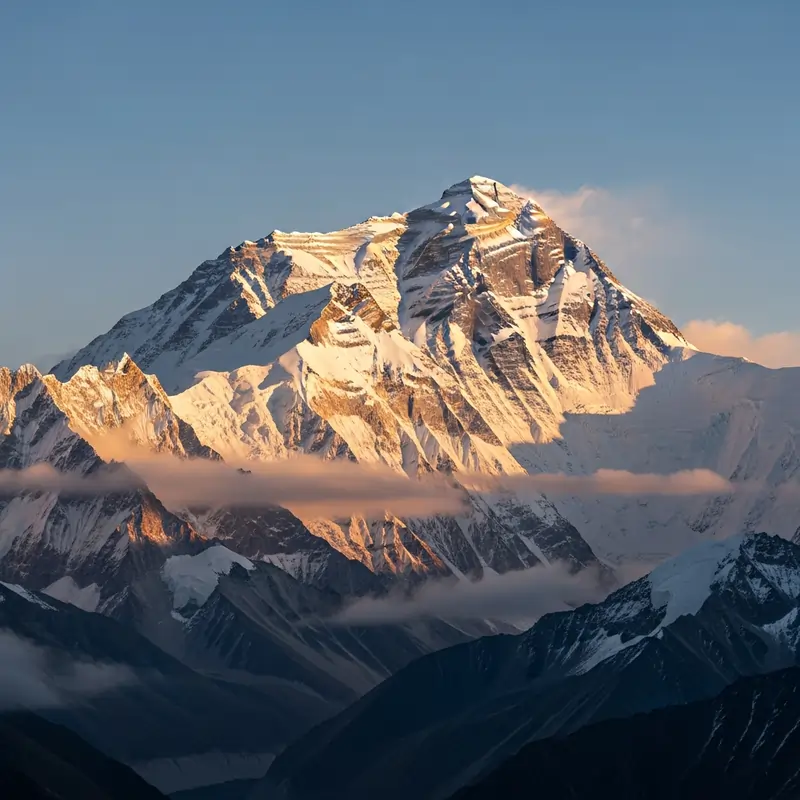
The Everest Base Camp trek is one of the most iconic adventures on Earth. Standing at 5,364 meters (17,598 feet) at the foot of the world's highest mountain, you'll experience breathtaking Himalayan landscapes, rich Sherpa culture, and a personal challenge that will stay with you forever.
This complete 2026 guide covers everything from permits and costs to training tips and sustainable trekking practices — whether you're planning a self-guided adventure or joining an organized trek with Royal Nepal Voyage.
Quick Overview: Everest Base Camp at a Glance
- Duration: 12-14 days (including acclimatization)
- Starting Point: Lukla (2,860m)
- Highest Point: Kala Patthar (5,644m) or EBC (5,364m)
- Difficulty: Moderate to Challenging
- Best Seasons: March-May & September-November
- Total Distance: ~130 km (round trip)
- Daily Walking: 5-7 hours
Book your Lukla flights early — they fill up quickly during peak season. We recommend booking at least 3 months in advance for October/November treks.
Best Time to Trek Everest Base Camp
Timing is crucial for a successful EBC trek. The weather windows make a significant difference in your experience:
Peak Season: October-November (Post-Monsoon)
This is the most popular time, and for good reason. Clear skies offer spectacular mountain views, temperatures are comfortable, and the trails are well-maintained. However, expect crowds at popular teahouses and higher prices. Read our complete best time to visit Nepal guide for more details.
Spring Season: March-May (Pre-Monsoon)
Warmer temperatures and blooming rhododendrons make this a beautiful time to trek. Late March to early May offers stable weather, though views may be hazier than autumn. This coincides with Everest climbing season, adding buzz to Base Camp.
Shoulder Seasons
December-February offers fewer trekkers and discounted rates, but bitter cold (-20°C at night) and potential snowfall require excellent gear and cold-weather experience. June-August monsoon brings rain, leeches, and poor visibility — not recommended.
How Much Does EBC Trek Cost in 2026?
The Everest Base Camp trek is accessible to various budgets. Here's a realistic cost breakdown:
| Expense | Budget | Mid-Range | Comfort |
|---|---|---|---|
| Flights (Lukla return) | $180 | $350 | $350 |
| Permits (TIMS + Park) | $70 | $70 | $70 |
| Accommodation (12 nights) | $120 | $300 | $600 |
| Meals (12 days) | $250 | $400 | $500 |
| Guide + Porter | $0 | $500 | $700 |
| Tips & Extras | $100 | $200 | $300 |
| Total | $720 | $1,820 | $2,520 |
Note: Prices increase with altitude. A dal bhat that costs $5 in Namche might be $12 at Gorak Shep. Budget for backpacking Nepal on a budget.
How Difficult is the Everest Base Camp Trek?
The Everest Base Camp trek is rated as moderate to challenging. While you don't need technical climbing skills or ropes, the altitude presents the biggest challenge. Here's what to expect:
- Physical demands: Walking 5-7 hours daily, often uphill
- Altitude: Sleeping above 4,000m for several nights
- Terrain: Rocky trails, suspension bridges, steep sections
- Weather: Cold temperatures, especially mornings and evenings
Training Recommendations
Start preparing 2-3 months before your trek:
- Cardio fitness: Hiking, running, cycling 4-5 times/week
- Strength training: Focus on legs, core, and back
- Practice hikes: Build to 6-8 hour hikes with a loaded pack
- Stair climbing: Excellent for simulating uphill trekking
Ready to Trek Everest Base Camp?
Let our experienced team plan your perfect EBC adventure with local guides, premium teahouses, and sustainable practices.
Design Your TrekClassic 12-Day EBC Trek Itinerary
- Day 1: Fly Kathmandu to Lukla (2,860m), trek to Phakding (2,610m)
- Day 2: Phakding to Namche Bazaar (3,440m)
- Day 3: Acclimatization day in Namche (day hike to Everest View Hotel)
- Day 4: Namche to Tengboche (3,870m)
- Day 5: Tengboche to Dingboche (4,410m)
- Day 6: Acclimatization day in Dingboche
- Day 7: Dingboche to Lobuche (4,940m)
- Day 8: Lobuche to Gorak Shep (5,170m), visit EBC (5,364m)
- Day 9: Early morning Kala Patthar (5,644m), descend to Pheriche (4,280m)
- Day 10: Pheriche to Namche Bazaar
- Day 11: Namche to Lukla
- Day 12: Fly Lukla to Kathmandu
Permits Required for EBC Trek 2026
You need two permits to trek in the Everest region:
- TIMS Card (Trekkers' Information Management System): $20 USD for group trekkers, $40 for FITs (Free Independent Trekkers)
- Sagarmatha National Park Entry Permit: $35 USD
Get permits in Kathmandu at the Nepal Tourism Board office or through your trekking agency. With Royal Nepal Voyage, we handle all permits for you.
Sustainable Trekking Practices
The Everest region faces environmental challenges from increasing tourism. Practice sustainable travel in Nepal with these guidelines:
- Carry reusable water bottles — use water purification tablets or SteriPen instead of buying plastic bottles
- Pack out all trash — especially batteries and non-biodegradables
- Stay on marked trails — prevent erosion and protect vegetation
- Support local businesses — eat at teahouses, hire local guides and porters
- Respect local culture — always walk clockwise around mani stones and stupas
Frequently Asked Questions
How much does it cost to trek Everest Base Camp in 2026?
The total cost ranges from $1,200-$4,000 USD depending on your comfort level. Budget trekkers can manage with $1,200-1,800, while mid-range with guide and porter runs $2,000-2,800. Luxury treks with premium lodges cost $3,000-4,000+.
What is the best time to trek Everest Base Camp?
October-November offers the best weather with clear skies and comfortable temperatures. March-May is also excellent with warmer weather and fewer crowds. Avoid monsoon season (June-August).
How difficult is the Everest Base Camp trek?
It's rated moderate to challenging. The altitude (up to 5,644m) is the main difficulty. No technical climbing required, but good fitness is essential. You'll walk 5-7 hours daily for 12-14 days.
Do I need a guide for EBC trek?
While not legally required, a local guide significantly enhances safety, cultural understanding, and supports the local economy. We strongly recommend hiring a licensed guide, especially for first-time Himalayan trekkers.