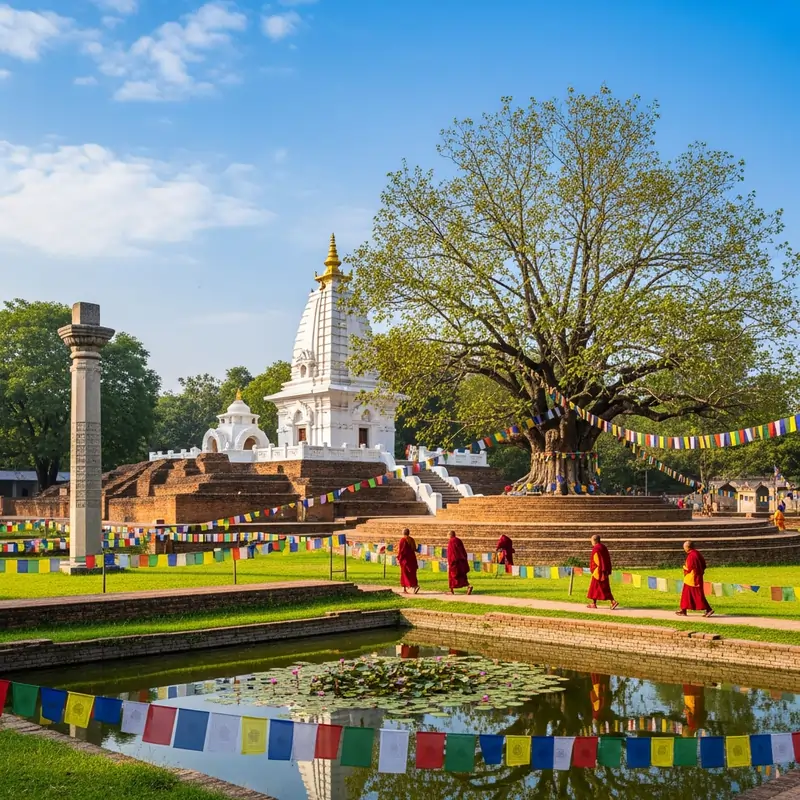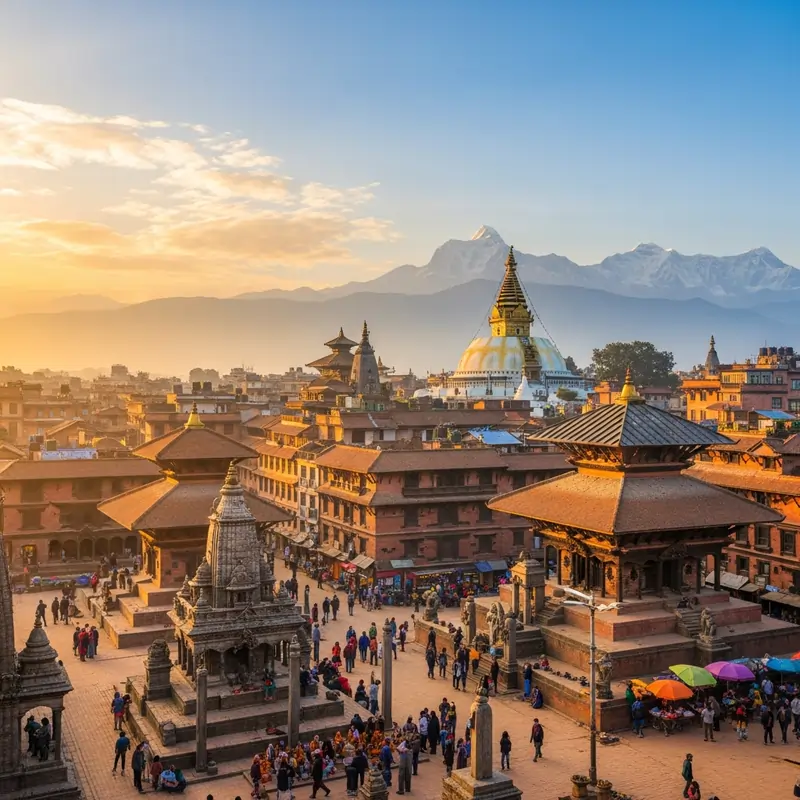
The Kathmandu Valley contains seven distinct monument zones designated as UNESCO World Heritage Sites since 1979. These ancient palaces, temples, and stupas represent centuries of Newar art and architecture — a living museum of Nepal's extraordinary cultural heritage.
This comprehensive guide covers all seven sites, with practical tips for visiting, understanding their history, and respecting their ongoing religious significance.
The Seven UNESCO Monument Zones
The UNESCO designation covers seven monument zones within the Kathmandu Valley:
- Kathmandu Durbar Square
- Patan Durbar Square
- Bhaktapur Durbar Square
- Swayambhunath Stupa
- Boudhanath Stupa
- Pashupatinath Temple
- Changu Narayan Temple
1. Kathmandu Durbar Square
The Royal Palace Complex
- Location: Central Kathmandu
- Entry Fee: NPR 1,000 (~$8 USD) for foreigners
- Time Needed: 2-3 hours
- Highlights: Kumari House, Hanuman Dhoka Palace, Taleju Temple
Kathmandu Durbar Square was the royal palace of the Kathmandu Kingdom until the 18th century unification of Nepal. Though severely damaged in the 2015 earthquake, restoration is ongoing and the square remains a powerful testament to Malla-era artistry.
Key Sites:
- Kumari Ghar: Home of the living goddess (Kumari), who may appear at her window
- Hanuman Dhoka: The old royal palace with museums inside
- Kasthamandap: The wooden pavilion from which Kathmandu takes its name (being rebuilt)
- Taleju Temple: Open to Hindus only, but stunning from outside
2. Patan Durbar Square
City of Fine Arts
- Location: Lalitpur (Patan), 5km south of Kathmandu
- Entry Fee: NPR 1,000 (includes museum)
- Time Needed: 2-4 hours
- Highlights: Krishna Temple, Patan Museum, Golden Temple
Patan is considered the center of Newar culture and artistry. The square is perhaps the most architecturally cohesive of the three, with superb examples of stone, wood, and metal craftsmanship.
Key Sites:
- Krishna Temple: 17th-century stone temple with exquisite carvings
- Patan Museum: One of South Asia's best museums, housed in old palace
- Golden Temple (Hiranya Varna Mahavihar): Stunning Buddhist monastery nearby
- Mahaboudha Temple: Terra-cotta temple covered in 9,000 Buddha images
3. Bhaktapur Durbar Square
The Best Preserved
- Location: Bhaktapur, 13km east of Kathmandu
- Entry Fee: NPR 1,800 (valid for 1 week, covers whole city)
- Time Needed: 4-6 hours (full day recommended)
- Highlights: 55 Window Palace, Nyatapola Temple, Pottery Square
Bhaktapur is the best-preserved of the three ancient kingdoms and feels like stepping back in time. With fewer cars and more traditional life, it's worth spending a full day or even staying overnight.
Key Sites:
- 55 Window Palace: Masterpiece of Newar woodcarving
- Nyatapola Temple: Nepal's tallest pagoda (5 stories)
- Pottery Square: Traditional potters still at work
- Dattatreya Square: Second major square with more temples
Bhaktapur is famous for Juju Dhau (King Curd) — don't leave without trying it! The city is also known for woodcarving, pottery, and traditional thangka painting.
4. Swayambhunath Stupa (Monkey Temple)
2,500 Years of Spirituality
- Location: Western Kathmandu hilltop
- Entry Fee: NPR 200
- Time Needed: 1-2 hours
- Highlights: Giant stupa, Buddha eyes, valley views, monkeys
Swayambhunath is one of the oldest religious sites in Nepal, sacred to both Buddhists and Hindus. The 365 steps to the top are lined with prayer wheels and monkeys, opening to panoramic Kathmandu Valley views.
Key Sites:
- Main Stupa: Iconic Buddha eyes watching in four directions
- Vajra (Thunderbolt): Massive bronze sculpture
- Harati Temple: Smallpox goddess, important for families with children
- Monastery complex: Several active Buddhist monasteries
Best time to visit: Sunrise for photography and peaceful atmosphere, before tour groups arrive.
5. Boudhanath Stupa
Tibetan Buddhist Center
- Location: Northeast Kathmandu (Boudha)
- Entry Fee: NPR 400
- Time Needed: 2-3 hours
- Highlights: Massive dome, circumambulation, rooftop cafes, monasteries
Boudhanath is one of the largest stupas in the world and the center of Tibetan Buddhism in Nepal. The atmosphere at dusk, as monks and devotees circle the stupa spinning prayer wheels, is deeply moving.
Key Sites:
- The Stupa: 36 meters tall, covered in prayer flags
- Kora (circumambulation): Walk clockwise with the pilgrims
- Surrounding monasteries: Many open for visitors, some offer meditation
- Rooftop restaurants: Enjoy momos with stupa views
6. Pashupatinath Temple
Sacred Hindu Temple
- Location: East Kathmandu, Bagmati River
- Entry Fee: NPR 1,000 for foreigners
- Time Needed: 2-3 hours
- Highlights: Temple complex, cremation ghats, sadhus
Pashupatinath is Nepal's most sacred Hindu temple, dedicated to Lord Shiva. Non-Hindus cannot enter the main temple but can explore the extensive complex and observe cremation ceremonies on the Bagmati River ghats.
Key Sites:
- Main Temple: 5th-century pagoda, Hindus only inside
- Cremation Ghats: Public Hindu cremations (photography respectfully from distance)
- Sadhus: Holy men in orange robes, some will pose for photos (tip expected)
- Deer Park: Behind the temple, peaceful forest area
Best time: Evening for the aarti ceremony. Visit during Maha Shivaratri for an unforgettable (crowded) experience.
7. Changu Narayan Temple
Oldest Temple in the Valley
- Location: Hilltop 12km east of Kathmandu
- Entry Fee: NPR 300
- Time Needed: 1-2 hours
- Highlights: 5th-century art, Vishnu sculptures, peaceful setting
Changu Narayan is the oldest temple in the Kathmandu Valley, with inscriptions dating to 464 AD. It's the least visited UNESCO site but contains exceptional ancient Licchavi-era sculpture and art.
Key Sites:
- Main Temple: Dedicated to Vishnu, 5th-century pagoda
- Stone Inscriptions: Oldest in Nepal
- Sculptures: Remarkable 5th-7th century vishnu forms
- Viewpoint: Himalayan panorama on clear days
Tip: Combine with a hike from Nagarkot or visit after Bhaktapur (20 minutes by taxi).
Expert-Guided Heritage Tour
Experience these UNESCO sites with knowledgeable local guides who bring the history, art, and ongoing religious traditions to life.
Book Heritage TourSuggested Itineraries
1-Day Essential
- Morning: Swayambhunath (sunrise) → Kathmandu Durbar Square
- Afternoon: Boudhanath → Pashupatinath (sunset aarti)
2-Day Comprehensive
- Day 1: Swayambhunath, Kathmandu Durbar Square, Patan Durbar Square, Boudhanath
- Day 2: Bhaktapur (full day), Changu Narayan, Pashupatinath (evening)
Visitor Tips
- Dress modestly: Cover shoulders and knees at religious sites
- Remove shoes: Before entering temples and some palace areas
- Walk clockwise: Around stupas, chortens, and mani stones
- Ask before photographing: Especially during religious ceremonies
- Hire a guide: Essential to understand the rich symbolism and history
- Bring water: Lots of walking, especially at Bhaktapur
- Visit early: Best light and fewer crowds at most sites
Plan your cultural exploration around the best time to visit Nepal for ideal weather and festivals.