While millions flock to Everest Base Camp and the Annapurna Circuit, Nepal hides countless treasures that few travelers ever discover. These off-the-beaten-path destinations offer authentic cultural experiences, pristine landscapes, and the magic of exploration without the crowds.
From the crystal-clear waters of Rara Lake to the hidden Buddhist valleys of Tsum, here are Nepal's best-kept secrets.
1. Rara Lake — The Queen of Lakes
Nepal's Largest Lake
- Location: Mugu District, Far Western Nepal
- Altitude: 2,990 meters (9,810 ft)
- Trek Duration: 8-10 days from Jumla
- Best Time: September-November, April-May
- Difficulty: Moderate
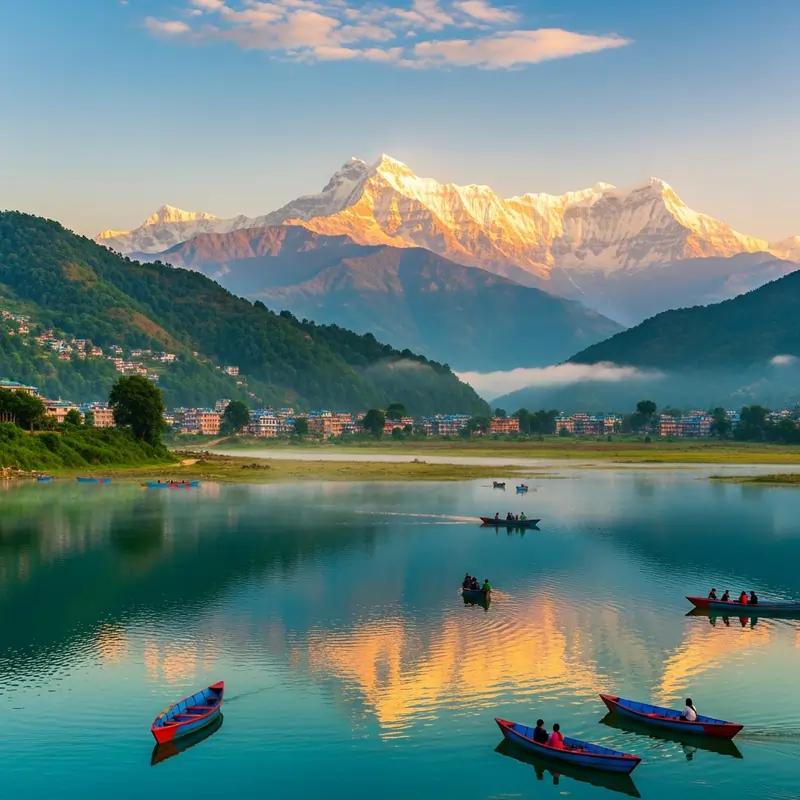
Rara Lake is a pristine alpine lake surrounded by pine and juniper forests, with the snow-capped Himalayas reflected in its deep blue waters. Despite being Nepal's largest lake, it receives only a fraction of the visitors that crowd Phewa Lake in Pokhara.
The remoteness is part of the appeal — reaching Rara requires a flight to Jumla followed by a multi-day trek. But those who make the journey are rewarded with extraordinary solitude and natural beauty.
Consider the direct flight from Kathmandu to Talcha (near Rara) during peak season, reducing the trek to just 2-3 days from the airstrip.
2. Tsum Valley — The Hidden Valley
Sacred Buddhist Valley
- Location: Northern Gorkha District
- Altitude: 1,900-3,700 meters
- Trek Duration: 12-16 days
- Best Time: March-May, September-November
- Permit: Restricted area permit required ($35/week)
Tsum Valley remained closed to outsiders until 2008, preserving a pure Tibetan Buddhist culture that has existed for centuries. The name "Tsum" means vivid, and the valley lives up to it with ancient monasteries, colorful prayer walls, and villages where time seems to stand still.
The valley is considered a "beyul" — a sacred hidden land blessed by Guru Rinpoche. Locals are deeply religious, and you'll encounter mani walls (some stretching for kilometers), chortens, and monasteries at every turn.
3. Upper Dolpo — Behind the Snow Leopard
Trans-Himalayan Wilderness
- Location: Dolpa District, Northwestern Nepal
- Altitude: 3,000-5,300 meters
- Trek Duration: 18-25 days
- Best Time: June-September (monsoon creates rain shadow)
- Permit: $500 for first 10 days (restricted area)
Made famous by Peter Matthiessen's book "The Snow Leopard," Upper Dolpo is one of the most remote and culturally intact regions in the Himalayas. The landscape is stark and beautiful — barren high-altitude desert punctuated by turquoise lakes and ancient Bon monasteries.
This region lies in the rain shadow of the Himalayas, making it accessible even during monsoon when other trails are impassable. The high permit cost and long trek duration keep crowds away, ensuring an authentic wilderness experience.
4. Pikey Peak — Everest Viewpoint
Best Everest Views Without the Crowds
- Location: Solukhumbu District
- Altitude: 4,065 meters (13,336 ft)
- Trek Duration: 5-7 days
- Best Time: October-November, March-May
- Difficulty: Easy to Moderate
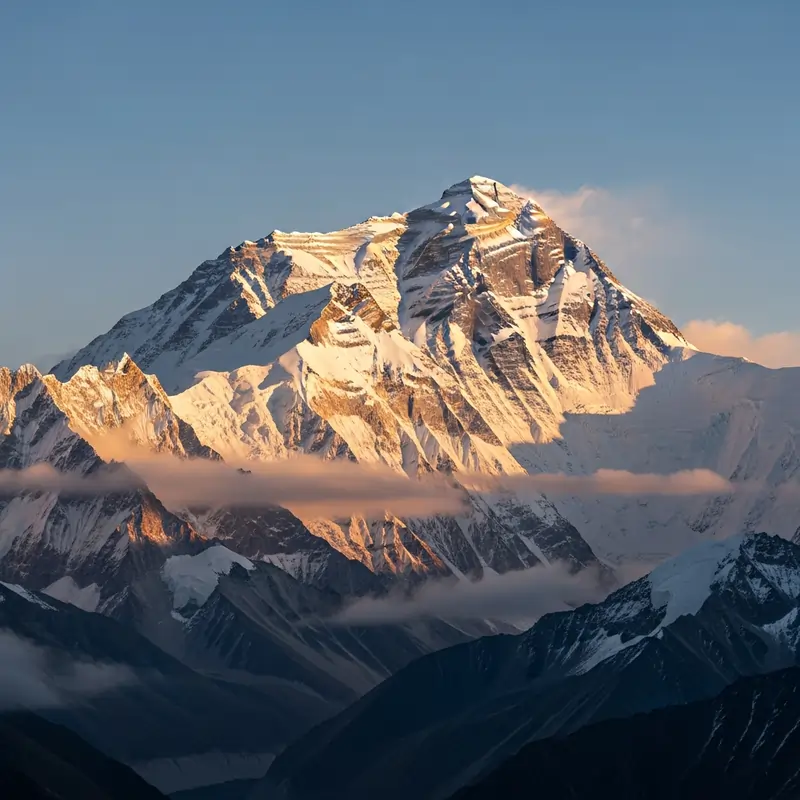
Edmund Hillary himself called Pikey Peak one of the best viewpoints for seeing Everest. This lesser-known trek in the Solukhumbu region offers stunning Himalayan panoramas — including Everest, Lhotse, Makalu, and Kanchenjunga — without the altitude challenges or crowds of the EBC trek.
The trail passes through traditional Sherpa villages, rhododendron forests, and offers a glimpse of authentic mountain life untouched by heavy tourism.
5. Bardiya National Park — Terai Wilderness
Nepal's Wildest Safari
- Location: Far Western Terai
- Size: 968 sq km (largest national park)
- Best Time: October-March
- Wildlife: Tigers, rhinos, elephants, dolphins, crocodiles
- Getting There: 12-14 hour bus or domestic flight
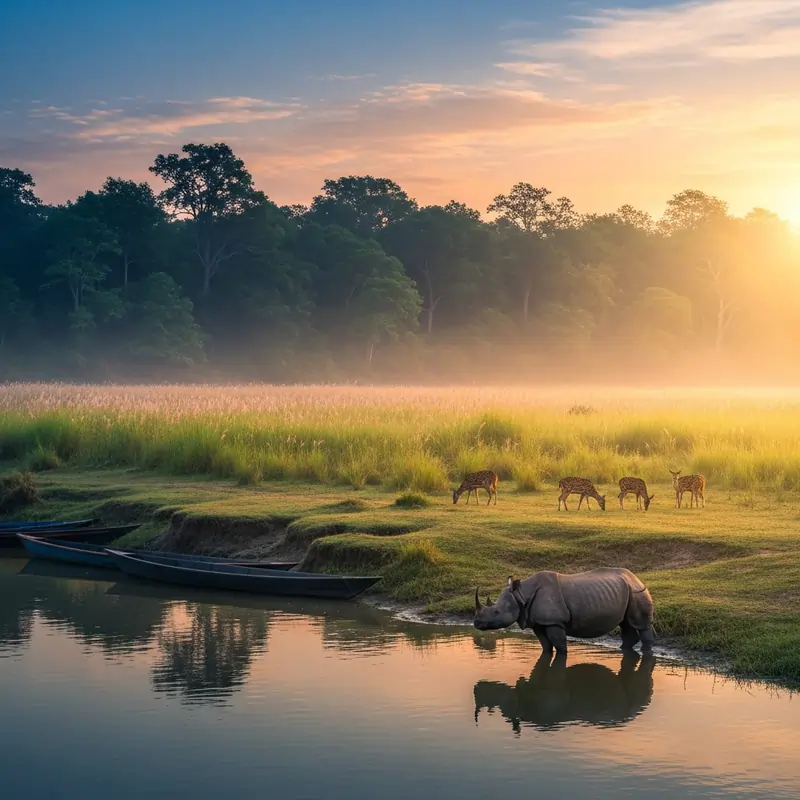
While Chitwan gets most safari visitors, Bardiya offers a wilder, more authentic experience. This is Nepal's largest national park and arguably the best place in Asia to see Bengal tigers in the wild. The park also has healthy populations of one-horned rhinos, elephants, and the rare Gangetic dolphin.
Fewer visitors mean more exclusive safari experiences — walking safaris, jeep drives, and boat trips on the Karnali River without the tourist crowds.
6. Khaptad National Park
Sacred Highlands of Far Western Nepal
- Location: Doti, Achham, Bajhang, Bajura Districts
- Altitude: 2,000-3,820 meters
- Best Time: March-May (wildflower bloom)
- Highlights: Rolling meadows, ancient forests, pilgrimage sites
Khaptad is unique among Nepal's national parks — a highland plateau covered in rolling meadows and oak forests, sacred to Hindus who pilgrimage here during Janai Purnima festival. The park is named after Khaptad Baba, a saint who lived here for over 50 years.
The landscape feels more like European alpine meadows than typical Himalayan terrain, with wildflowers blooming across grasslands in spring and summer.
7. Palpa (Tansen) — Historic Hill Town
Medieval Architecture & Hill Culture
- Location: Palpa District, Central Nepal
- Altitude: 1,300 meters
- Getting There: 6-hour bus from Kathmandu or Pokhara
- Highlights: Rana-era palaces, Newar architecture, metalwork
Tansen was once the capital of the powerful Magar kingdom of Palpa and later a significant Rana-era trading post. Today, its cobblestone streets, Newari-style buildings, and traditional metalwork (dhaka weaving and bronze casting) offer a window into Nepal's past.
The town makes an excellent stopover between Pokhara and Lumbini, or a destination for those seeking authentic Nepali hill town culture without tourist infrastructure.
8. Manaslu Circuit — Trekking's Hidden Gem
Annapurna Without the Crowds
- Location: Gorkha District
- Duration: 14-18 days
- Highest Point: Larkya La Pass (5,160m)
- Permit: Restricted area ($70-100/week)
- Best Time: March-May, September-November
The Manaslu Circuit offers everything the Annapurna Circuit has — dramatic landscapes, cultural diversity, high passes — but with a fraction of the trekkers. The restricted area permit limits numbers, maintaining the trail's wild character.
The trek circles Mount Manaslu (8,163m), the world's eighth-highest peak, passing through Tibetan villages, bamboo forests, and crossing the challenging Larkya La. It can be combined with the Tsum Valley for an extended adventure.
Explore Nepal's Hidden Gems
Let us design a custom journey to these off-the-beaten-path destinations with expert local guides and authentic experiences.
Start PlanningTips for Off-the-Beaten-Path Travel
- Plan ahead: Remote areas have limited accommodation — book in advance during peak season
- Hire local guides: Essential for restricted areas and invaluable for cultural insights
- Be self-sufficient: Bring snacks, water purification, and basic first aid
- Respect local culture: Remote communities have preserved traditions — be a respectful guest
- Allow buffer days: Weather and transport delays are common in remote areas
- Learn basic Nepali: English is rarely spoken outside tourist areas
Ready to go beyond the guidebook? Check our guides on sustainable trekking and budget travel in Nepal to plan your adventure responsibly.